Without a real meal planning rhythm, you end up asking yourself every single day…
“What’s for dinner?”
And honestly? It’s the worst question.
Not because cooking is hard—but because by dinnertime, your brain is already done. You’re juggling kids, schedules, budgets, and energy you don’t really have, and suddenly you’re expected to make yet another decision. Cue the stress, the last-minute scramble, or spending money you didn’t plan to spend.
And before anyone suggests meal prepping—no️.
I’m not spending my entire Sunday cooking 50 meals I won’t want by Wednesday.
If that sounds like you, this meal planning guide is for you.
This isn’t about perfection or rigid plans. It’s about having a simple, flexible way to decide meals ahead of time so dinner doesn’t steal your peace. You’ll eliminate the daily “what’s for dinner?” panic, plan for busy nights realistically, and stay within your budget—without meal prepping all day or starting over every single week.
You’re in the right place if:
- Dinner decisions feel heavier than they should
- Meal planning sounds good in theory but never sticks
- You want structure without rigidity
- You’re tired of reinventing dinner every week
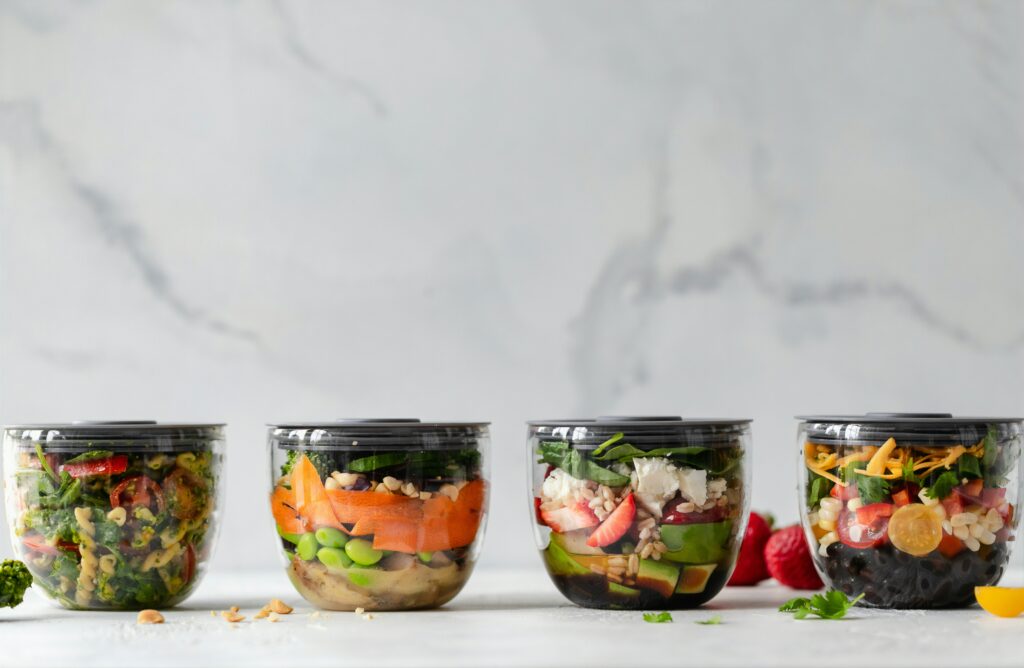
Meal Planning vs. Meal Prepping (And Why Prepping Doesn’t Work for My Family)
Let’s set the record straight about meal planning versus meal prepping, because these two get lumped together—and they are not the same thing.
Meal planning (the best option) is simply deciding what you’re going to eat for the week—or however far ahead you want to plan. That’s it. It gives you clarity on what to buy, what to cook, and how to prepare for busy nights, easy lunches, or nights when you’re feeding more people than usual. It’s flexible, realistic, and works with real life.
Meal prepping (not for everyone) is when you set aside an entire day to cook a large number of meals for the rest of the week and hope it doesn’t take eight hours—or that you still want to eat the food when Wednesday rolls around.
If you love meal prepping, that’s fine. No judgment.
But for my family, it’s completely unrealistic.
I don’t have the time—or the desire—to spend an entire day cooking. What I do have is about 30 minutes to sit down, create a flexible and realistic meal plan, and move on with my life knowing my family will eat well and dinner will be easier.
Most families don’t have the energy to cook a week’s worth of meals in one day. But they do have a few minutes to plan meals that fit their schedules, budgets, and real-life needs.
That’s why I truly believe meal planning is one of the most sustainable, life-changing habits a family can build. Food and mealtimes shape our days more than we realize—so instead of letting them create stress, we can make them simple, supportive, and aligned with how we actually live.
Why Meal Planning Has Been Life-Changing for My Family
Growing up, my family never had a meal plan, which made dinnertime feel chaotic. Most nights were reactive—figuring things out at the last minute, working around schedules instead of with them, and feeling the stress build as the day went on.
As soon as I got married, I started meal planning, and everything changed. It helped us work as a team and build our week around our real schedules instead of fighting against them every night at dinner.
Then I found out about my food allergies. If I hadn’t already been meal planning at that point, I honestly don’t know how I would have managed. Having a plan gave me the space to slowly find safe recipes, identify meals I genuinely enjoyed, and figure out which staples needed to live in our kitchen so eating felt normal again—not stressful.
Meal planning became essential, not just helpful. It reduced my stress, made feeding my toddler easier, and allowed me to meet the demands of busy weeks, family gatherings, and fuller schedules without feeling overwhelmed or unsafe.
Because meals were planned ahead of time, last-minute grocery store runs became rare, and overspending almost disappeared. The ingredients we needed were already in the house, and dinner no longer felt like a daily scramble.
That alone felt like a win—but more than that, it gave our home a sense of calm and consistency that carried through the rest of our days.
Related: The Family Meal Time Routine That Makes Dinner Happen

My Meal Planning System (Step-By-Step)
Step 1: One Master List
A master list for gluten meal planning is key! It’s not CRITICAL so don’t let it stop you if you don’t have one or don’t have time to make one right now, but boy is it nice to have…
It’s simple, you just write down and make a list of every meal your family eats. That’s all. It’s simple but when you need to plan for the week you have 20+ meals to choose from that you know your family already loves. It’s takes out searching and guessing and that empty brain syndrome!
I personally keep it on my phone in my notes app. Yep it’s that easy. I have it everywhere I go and I can easily share it with my husband if he needs to meal plan!
It took me 5 minutes to think of a bunch of meals we eat and then as I remembered them week by week it found something new I simply added it.
I never remove from this list because even it is isn’t work for my family now it might in a couple months!
Now the hardest part is done.
Tip: If you want to/ need to skip this step check out this free meal plan I made for you AND you can just add these 10 meals to your master list! EASY!
Step 2: Plan 7 Meals for the Week
For our family, meal planning involves a lot more quick meals during busy weeks. We just have a lot going on at night.
This is how we structure our meal plan:
- A soup or one-pot meal, because they are incredibly easy
- A Mexican dish, because the ones in my rotation can be made in under 30 minutes
- A favorite
- One flexible meal that works for leftovers or can be swapped easily
- A vegan meal
- Two meals I already have all the ingredients for, to cut costs and use what we have
- A couple snacks (homemade or store-bought)
- Lunch plans, if I need them
It doesn’t look like this all the time, but generally that’s my strategy: some fast meals, some cheap meals, some favorite meals, and some flexible meals.
The point is, slap any seven meals you can think of on that list and you’re good to go. You don’t need themed dinner nights. You need a fast, easy system that simplifies your life.
If I’m feeling fancy and I don’t want leftovers for lunch (which, by the way, is my key to successful healthy lunches), I plan those and add the snacks I’ll need, like protein bars.
Sometimes I write this list down in a notebook, and other times I do it on my phone. If I do it in my notebook, after I’m done with the next couple steps, I rip the page out and magnet it to my fridge. Simple.
Related: Gluten Free Pantry Staples for Easy Last-Minute Dinners
Step 3: One Weekly Grocery Trip
Now wherever you made that gluten free meal plan, go down the page a little ways and make a grocery list! List all the things you’ll need for each meal one at a time. This is the key to avoiding those last minute grocery store runs, yuck.
After I have listed what we need for our meals I then move on to if I need anything for lunches, snacks or desserts I planned.
Then I add the odds and ends like milk, fruit, random chip dip, hot sauce, whatever.
Now you have the strategy to only buy what you need, what is healthy and what is in your budget.
Related: The Gluten-Free Family Grocery List Landing page
Step 4: Plan Lunches + Snacks Too
I have mentioned this already but truth is I don’t really plan lunches, I plan enough dinner so that we can eat leftovers. It simplifies my life, makes it fast, and I know we are eating right.
Some lunches I might plan would be deluxe quesadillas, anything my toddler is into and having sandwich supplies on hand.
That might sound lame but it gets the job done, I try to make them balanced meals and bellies are full. This is a “fashion show” as my dad would say, but really it’s more like this isn’t a feast for kings, it’s lunch at home where we got bigger problems then a Michelin star restaurant style lunch.
I also plan if I am going to make my toddler any breakfasts or specific snacks for the week. I don’t usually because I’m not an instagram mom, I’m a real mom, but sometimes I overachieve and do it.
Related: 25+ Unique School Lunch Ideas That Kids Will Actually Eat
What To Do When You Don’t Want What You Planned
Real talk, sometimes I rather walk 100 miles with a rock in my shoe than make dinner or eat what is on my meal plan…
This doesn’t negate the awesome plan I made, it just means I’m a human.
So I plan for that too.
I plan for it with pantry staples and making it apart of my grocery list DNA to also make sure those emergency dinner ingredients are always on hand. Now these meals “aren’t sexy” but they’re still yummy and nutritious. These are my 3 emergency meals and things I ALWAYS keep in hand to make.
- Pancakes or french toast and eggs
- chicken noodle soup (link)
- grilled chicken avacado sandwiches (link)
These gluten free meals stop us from getting take out, getting burnt out or pulling our hair out, haha.
To help you out a step further here is a full guide to the best pantry staples that save me all the time and help me build delicious healthy meals last minute!
Your emergency meals are probably going to be different. They can be anything that relies on things you always have or need and things that can easily be stored for a long time in the pantry or freezer.
Make Meal Planning the Easiest Part of Your Week
If dinner has felt stressful or chaotic lately, this will help so much.
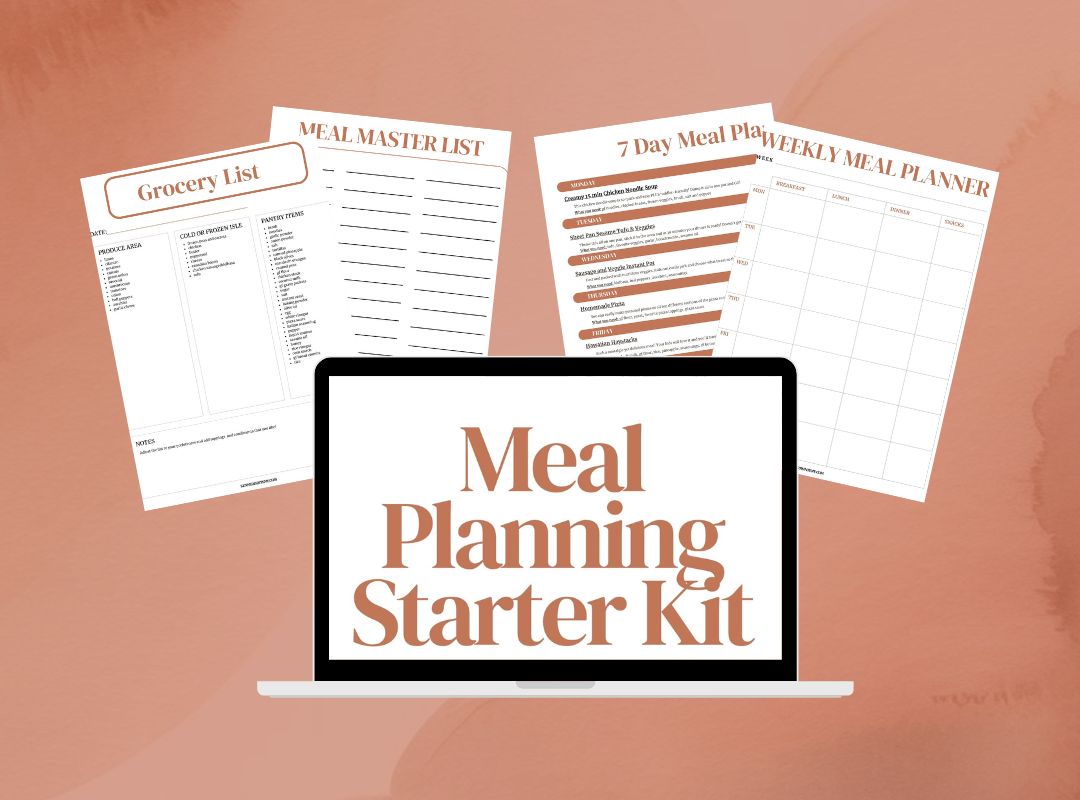
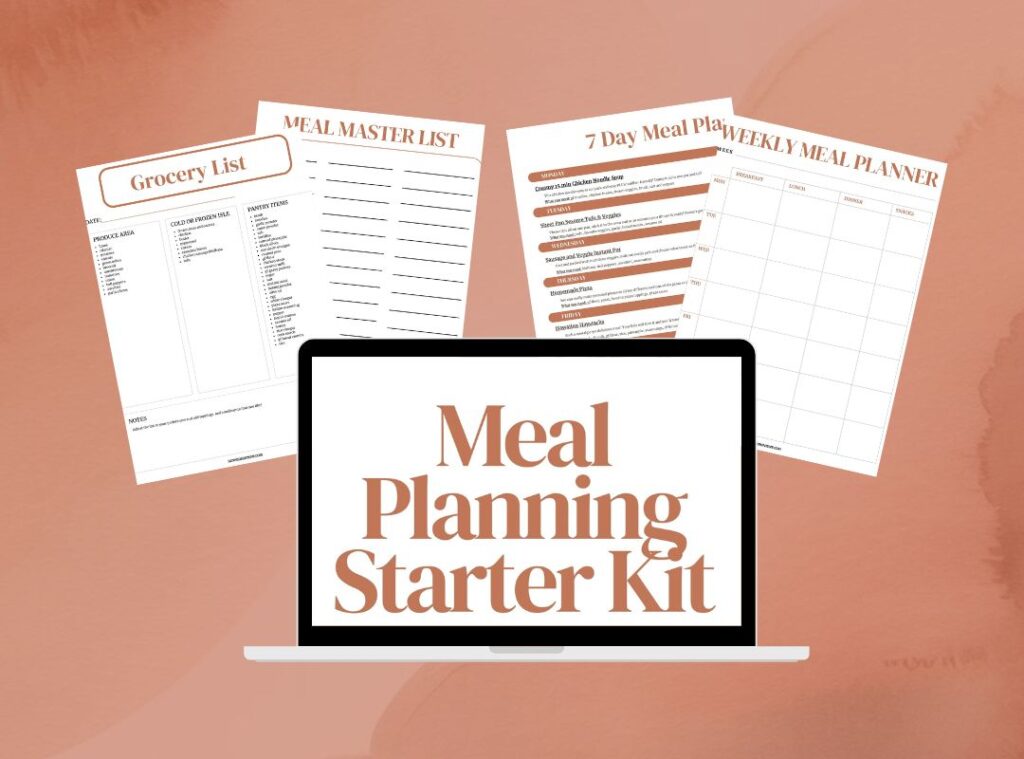
Grab my FREE Strong 7-Day Meal Plan Starter Kit — a simple, allergy-smart system that helps you plan your week in minutes, not hours.
Inside the free kit, you’ll get:
- ✔ A full 7-day done-for-you meal plan
- ✔ Quick “What You Need” lists for every dinner
- ✔ A categorized grocery list for the whole week
- ✔ A blank grocery list you can reuse
- ✔ A weekly planner layout for breakfasts, lunches + dinners
- ✔ A Meal Master List to simplify every future week
- ✔ A stress-free rhythm you can use over and over
Healthy Home Systems: Your Kitchen Rhythm
Healthy meals can easily fit into your everyday home rhythms. Dinner works best when it’s treated like a system—planned, set, and ready to go.
When meals are decided ahead of time, you get to spend more time with your family and far less time thinking about what’s for dinner. Stress goes down, decision fatigue eases, and that constant mom overwhelm starts to lift.
A simple meal plan creates space for calmer evenings and more connection at home. It’s not about doing more—it’s about thinking less.
At the end of the day, a meal plan is just one more simple way to build a stronger, more peaceful home.
FAQ
- Is meal planning better than meal prepping?
Either can be great, it’s just about what works for your family. Meal planning takes about 30 minutes and while meal prepping might take a whole day. Both make meeting your goals and keeping your family calm easier, they’re just different
- How do I meal plan with allergies?
Meal planning is the best with allergies. Whether you’re new to allergies or not, it the perfect time to plan ahead so you’re always eating safe and delicious meals that fit your needs!
- What if my kids don’t want what I planned?
It’s going to happen. It’s okay! You can always whip out of the the emergency meals I mentioned instead of the planned dinner or you can help them choose some parts they WILL eat while providing them a small side they WANT to eat.
- Can I meal plan without meal prepping?
YES! Meal planning can be as simple as writing a list of meals for the week, no cooking ahead needed! I personally think its the easiest way to eat the way I want, what I want, within my budget and without headache!